Source A Line Plain Dyed Midi Dress for Office, Events, and Daily Wear
Explore 30 options for the a line plain dyed midi dress, featuring polyester and linen blends with short sleeve or sleeveless styles. Compare customization, MOQs, and lead times from Qingdao and Yiwu suppliers to find the right fit for your brand.
Key considerations
Products List


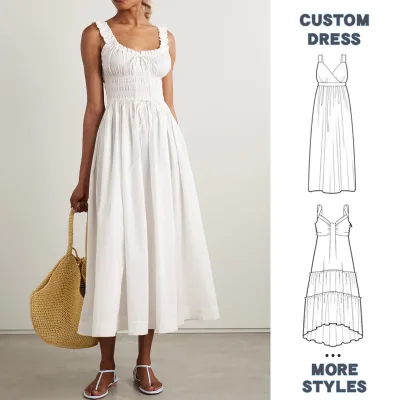
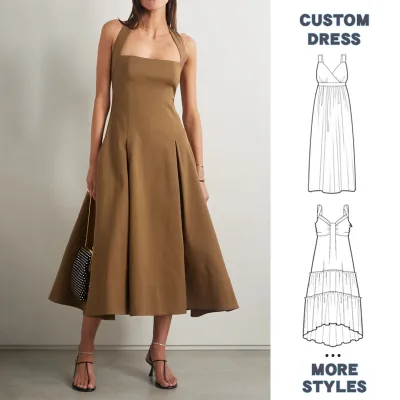


Comprehensive Sourcing Guide
A Line Plain Dyed Midi Dress Sourcing Guide
Sourcing an a-line plain dyed midi dress requires balancing aesthetic simplicity with structural integrity, as the silhouette relies heavily on fabric drape and cut precision. Buyers must first define the target market’s fit expectations, noting that observed listings range from loose to fitted variations, which significantly impacts pattern grading and material consumption. The midi length offers versatility for spring and summer seasons, but the specific hemline placement must align with regional sizing standards to ensure consistent customer satisfaction across different demographics.
Procurement teams should also evaluate the customization capabilities of potential suppliers, as many manufacturers support OEM and ODM services for logo placement and label design. This flexibility allows brands to differentiate their offerings without altering the core garment structure. However, buyers must verify that the plain dyed finish remains consistent across large production runs, as color lot variations can lead to significant quality issues in finished goods, especially when using materials like polyester or linen blends that may absorb dye differently.
Product Scope and Observed Listing Signals
The current market landscape for a-line midi dresses shows a diverse range of material compositions, including polyester, linen/cotton blends, and chiffon, each offering distinct performance characteristics. Observed listings indicate a price range of $0.5 to $28.5 USD, reflecting variations in fabric quality, construction complexity, and supplier location. Buyers should note that while some products feature short sleeves or sleeveless designs, others may include off-shoulder or square collar styles, requiring careful specification alignment to avoid mismatched expectations between design intent and manufactured output.
Minimum order quantities (MOQ) typically range from 50 to 200 pieces per style, providing flexibility for small batch testing or larger volume commitments. Packaging methods vary from simple bagged options to OPP bags, which can influence logistics costs and product protection during transit. Additionally, lead times are generally estimated at 20-30 days for delivery, with sampling taking 7-10 days, allowing buyers to plan their inventory cycles effectively while accounting for potential delays in raw material sourcing or production scheduling.
Technical Specifications to Verify
Fabric weight and composition are critical technical parameters that determine the drape and durability of the a-line silhouette. Buyers should verify specific gram weights, such as 690g, 700g, or 800g, to ensure the material provides the desired structure without being overly heavy or transparent. The weaving method, whether woven or crumpled, also affects the final texture and appearance, so requesting physical samples is essential to assess hand feel and visual consistency before committing to bulk production orders.
Sleeve length and neckline styles must be precisely defined in the tech pack to prevent manufacturing errors. Options observed include short sleeves, sleeveless designs, and off-shoulder cuts, paired with necklines ranging from square collars to V-necks. Buyers must confirm that the pattern grading for sizes S through 3XL maintains the intended a-line shape across all dimensions, ensuring that the waist and hem proportions remain consistent. Additionally, checking for features like chest pads or specific printing methods, such as discharge printing, helps align the product with brand-specific design requirements.
Compliance and Safety Documentation
Ensuring that the a-line midi dress meets international safety and environmental standards is crucial for market access and brand reputation. Buyers should request documentation verifying compliance with OEKO-TEX standards, which certify that the textiles are free from harmful substances, particularly important for garments worn close to the skin. This verification process helps mitigate risks associated with chemical residues in dyes and finishes, ensuring that the plain dyed fabric does not pose health hazards to end consumers.
Labeling and tagging requirements must also be strictly adhered to, as many suppliers support custom label and tag designs. Buyers need to ensure that care instructions, fiber content, and country of origin are accurately displayed on the product labels to meet regulatory requirements in target markets. Proper labeling not only ensures legal compliance but also enhances the perceived value of the product by providing clear information to consumers regarding maintenance and material composition.
Cost Drivers and Commercial Terms
Several factors influence the final cost of an a-line plain dyed midi dress, including fabric selection, customization complexity, and order volume. Higher-quality materials like linen/cotton blends or chiffon typically command higher prices compared to standard polyester options. Additionally, custom features such as logo printing, specific packaging, or unique sleeve styles can increase production costs, so buyers should clearly define their requirements to obtain accurate quotations and avoid unexpected charges during the manufacturing process.
Commercial terms, including payment methods and shipping arrangements, play a significant role in the overall procurement strategy. Buyers should negotiate favorable terms that align with their cash flow needs, such as partial payments for sampling and balance payments upon shipment. Understanding the supplier’s location, such as Qingdao or Yiwu in China, can also impact logistics costs and lead times, so buyers should factor in transportation expenses and potential tariffs when calculating the total landed cost of the product.
Supplier Qualification and Quality Control
Evaluating supplier capabilities is essential to ensure consistent quality and reliable delivery of a-line midi dresses. Buyers should assess the manufacturer’s experience in producing similar garments, their capacity to handle OEM/ODM requests, and their track record for meeting deadlines. Requesting references or case studies from previous clients can provide insights into the supplier’s reliability and ability to manage complex production runs, particularly when dealing with multiple styles or sizes.
Quality control measures must be implemented throughout the production process to minimize defects and ensure product consistency. Buyers should establish clear quality standards and inspection criteria, including checks for stitching integrity, color fastness, and dimensional accuracy. Conducting pre-production samples and in-line inspections can help identify potential issues early, allowing for timely corrections and reducing the risk of receiving substandard goods. Regular communication with the supplier is also vital to address any concerns promptly and maintain high-quality standards.
Long-Term Procurement Checks
Building a sustainable supply chain for a-line plain dyed midi dresses requires ongoing monitoring and relationship management. Buyers should regularly review supplier performance metrics, such as on-time delivery rates, defect rates, and responsiveness to issues, to identify areas for improvement. Establishing a long-term partnership with reliable suppliers can lead to better pricing, priority production slots, and improved collaboration on new designs, ultimately enhancing the competitiveness of the brand in the market.
Continuous market analysis and trend monitoring are also important for staying ahead of consumer preferences and industry developments. Buyers should keep an eye on emerging materials, sustainable practices, and design trends that may impact the demand for a-line midi dresses. By adapting to these changes and maintaining a flexible procurement strategy, brands can ensure that their product offerings remain relevant and appealing to their target audience, driving long-term growth and success in the competitive fashion industry.
FAQs
What materials are used for the a line plain dyed midi dress?
The dresses are crafted from polyester, linen, cotton, or chiffon fabrics. Buyers can choose from woven constructions or specific fabric quality options to suit their needs. These materials ensure comfort and durability for spring and summer seasons, with some styles featuring breathable properties for everyday wear.
Can I customize the logo and packaging for this dress?
Yes, logo design and label customization are available for this product. You can provide your own logo, and the supplier supports OEM and ODM services. Packaging options include bagged or OPP methods, allowing you to tailor the presentation to your brand requirements while maintaining professional quality standards.
What is the minimum order quantity for this midi dress?
The minimum order quantity is typically 200 pieces per style. Some listings indicate a range of 50 to 200 units depending on the specific supplier and product variant. This MOQ allows for flexible sourcing while ensuring efficient production runs for customized or plain dyed designs in various sizes.
How long does sampling and delivery take for this dress?
Sampling time generally takes 7 to 10 days to produce. After sample approval, the delivery date is approximately 20 to 30 days. This timeline allows for quality checks and production scheduling, ensuring that your customized a line plain dyed midi dresses are ready for shipment within a reasonable period.
Where are these dresses manufactured and what are the sizes?
These dresses originate from Qingdao, China, and Yiwu, Zhejiang. Sizes range from S to 3XL, with specific models like AVA101667 available. The products feature loose or regular fits, with options for square collars, V-necks, or off-shoulder styles, catering to diverse fashion preferences and body types.
What printing methods are used for the dress designs?
Discharge printing is utilized for certain designs, allowing for detailed and vibrant patterns. Some styles feature floral prints or fold elements, while others remain plain dyed. This variety ensures that buyers can select the aesthetic that best matches their target market, whether for casual daily wear or specific seasonal collections.